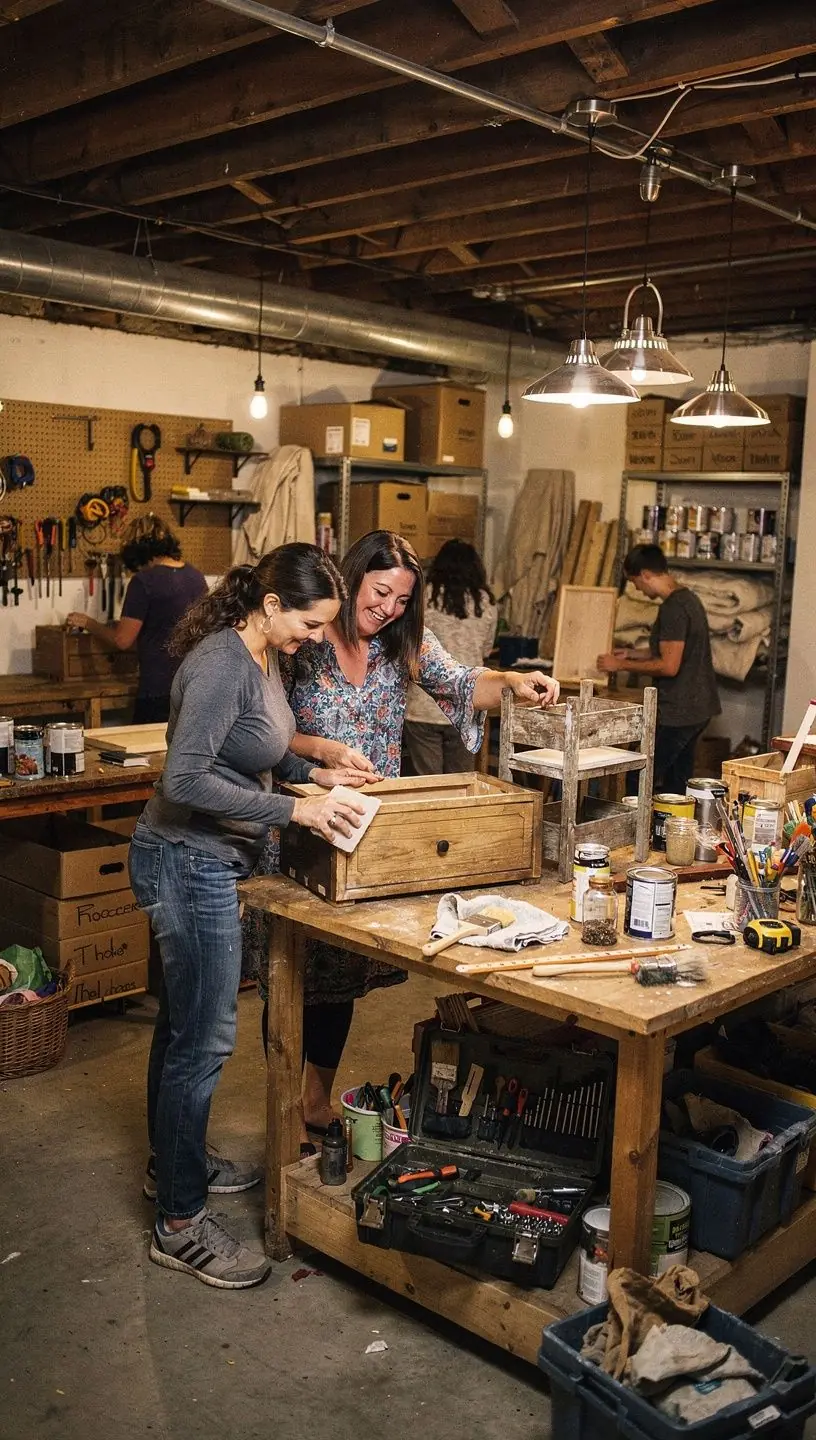
Effective Workshop Techniques for Group Learning
Creating a comfortable and engaging atmosphere for group learning is essential for successful workshops. This article explores effective techniques that can enhance collaborative learning experiences, supported by research and expert recommendations.
Understanding the Basics of Group Learning
Group learning is a method often employed in workshop settings, where participants come together to share knowledge and skills. According to research in educational psychology, collaborative learning can enhance understanding and retention of information. Experts recommend that creating an inclusive environment can significantly boost participant engagement, making the learning process more effective.
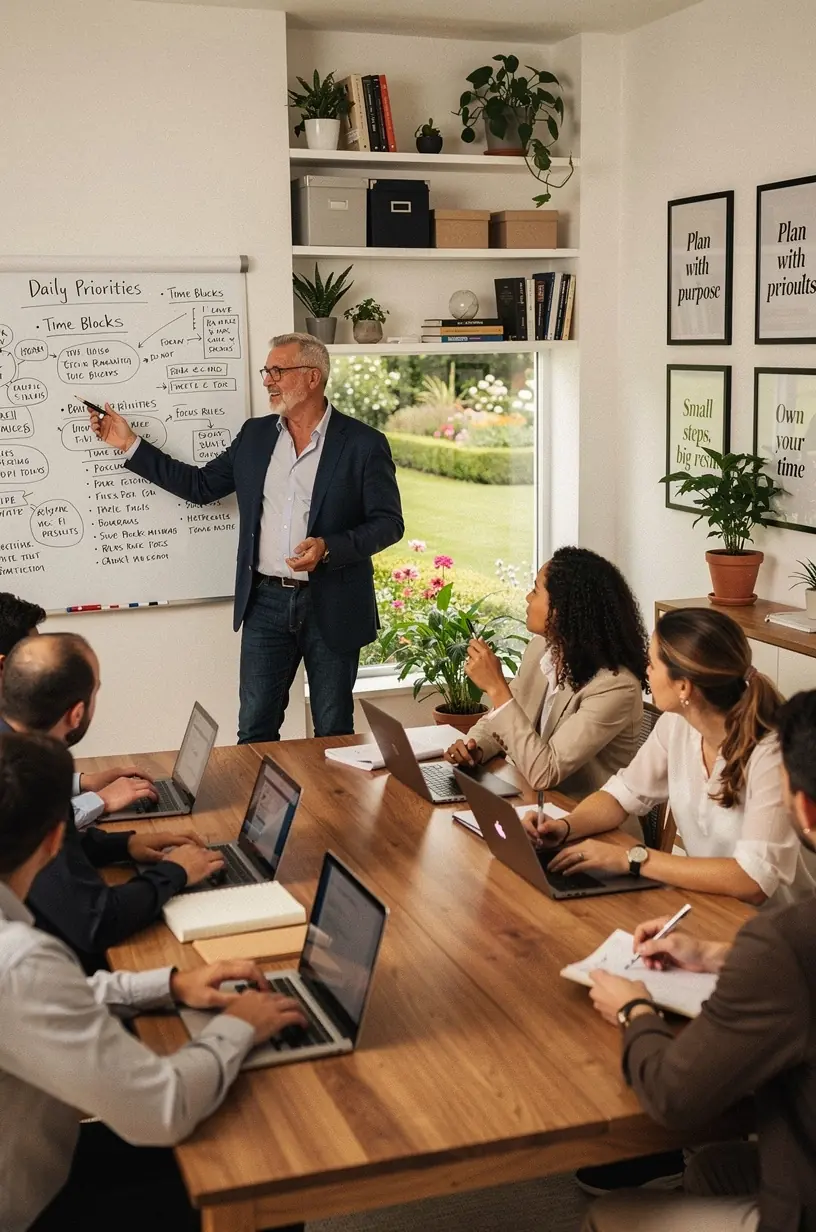
"Fostering collaboration among participants can lead to a deeper understanding of the material and improve overall satisfaction with the learning experience." - Educational Expert
Key Techniques for Effective Workshops
Implementing the following techniques can help facilitate a more productive group learning environment:
- Encourage Active Participation: Research shows that active participation often leads to better retention of knowledge. Incorporating interactive elements such as discussions and group exercises can engage participants more effectively.
- Utilize Diverse Learning Styles: It is important to acknowledge that individuals have different learning preferences. According to experts, offering a mix of visual, auditory, and kinesthetic learning opportunities can cater to various learning styles, enhancing overall comprehension.
- Establish Clear Objectives: Setting clear goals for the workshop is crucial. Participants benefit from knowing what to expect and what they will learn. Many users report that workshops with clearly defined objectives feel more organized and focused.
Practical Application of Techniques
When applying these techniques, consider the following steps to ensure effectiveness:
- Start with an icebreaker to build rapport among participants. This can create a relaxed atmosphere conducive to learning.
- Divide participants into small groups to foster collaboration. Group activities can often yield greater insights and encourage teamwork.
- Incorporate feedback sessions throughout the workshop. Acknowledging participant feedback and making adjustments can improve the learning experience in real-time.
Acknowledging Limitations
While these techniques can be effective, it is important to acknowledge their limitations. Implementing new strategies may require time and practice. For instance, transitioning to a more collaborative workshop format typically takes a few sessions to fine-tune. Additionally, some participants may initially resist active participation, requiring encouragement and support.
Conclusion
Effective workshop techniques can significantly enhance group learning experiences. By understanding the principles behind collaborative learning, employing interactive methods, and addressing diverse learning styles, facilitators can create an environment where participants feel engaged and empowered. While results might not be immediate, consistent application of these strategies can lead to substantial improvements in knowledge retention and participant satisfaction, typically observed within a few sessions.
Learn More