Understanding the Psychology of Home Comfort
Creating a comfortable home environment is more than just aesthetic appeal; it's a psychological necessity that can significantly impact our well-being. In this article, we explore the principles behind home comfort and provide practical insights into how you can foster a more inviting and relaxing space.
Understanding the Basics of Home Comfort
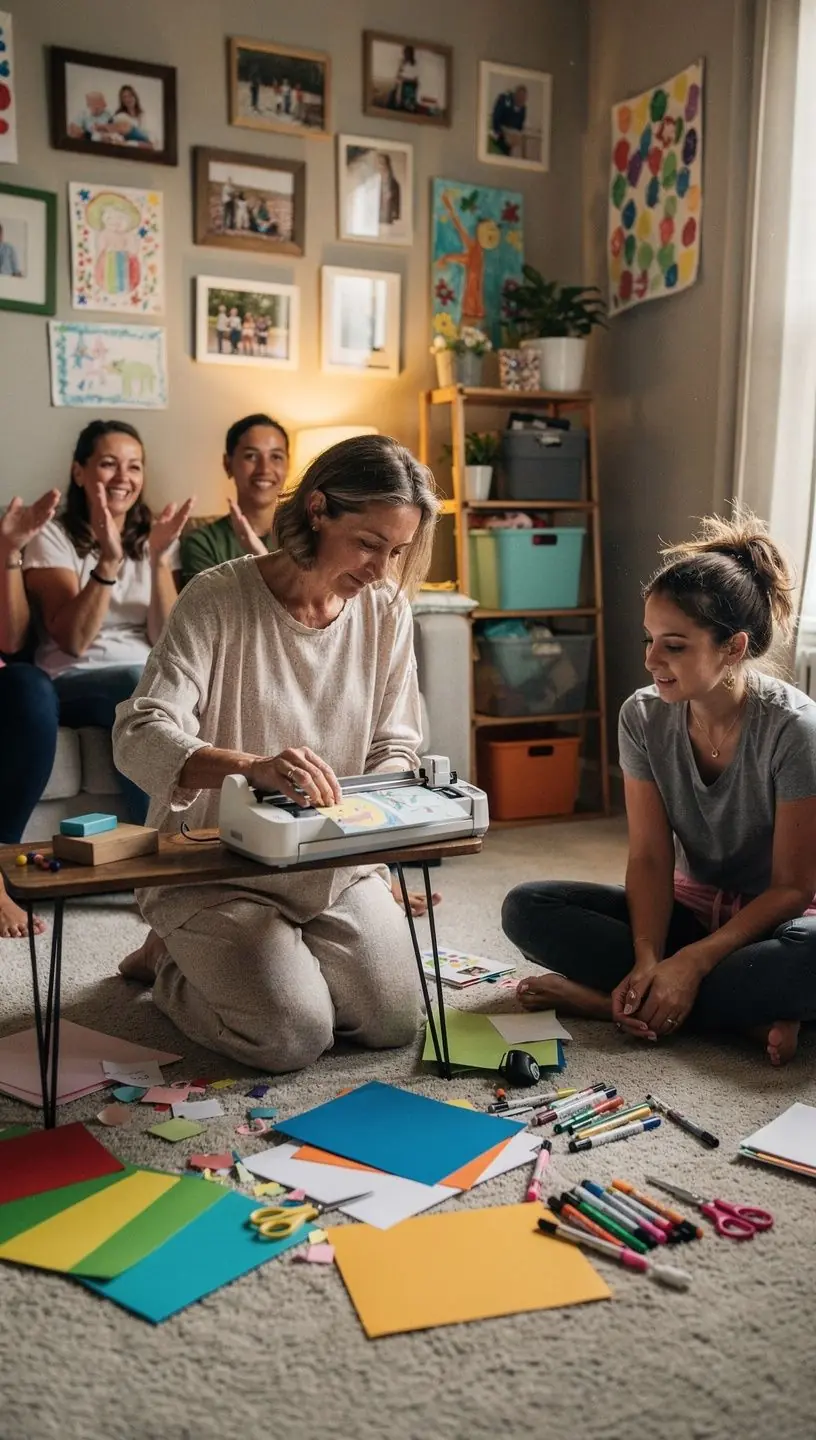
Home comfort largely stems from our psychological responses to our living spaces. According to studies, environments that promote comfort can lead to increased happiness and decreased stress levels. A well-organized and cozy home encourages relaxation, which is essential for mental health. Experts suggest that incorporating personal touches, such as photographs or artwork, can enhance feelings of belonging and security.

"The environment we create in our homes can profoundly influence our mood and overall mental health." - Dr. Jennifer Smith, Psychologist
The Role of Organization
Organization plays a critical role in home comfort. A cluttered space can lead to feelings of anxiety and overwhelm. Research indicates that individuals living in organized environments report higher levels of productivity and lower stress. To foster a sense of calm, consider the following steps:
- Declutter regularly: Set aside time weekly to remove items that no longer serve a purpose.
- Create designated spaces: Assign specific areas for different activities, such as work, relaxation, and socializing.
- Utilize storage solutions: Invest in storage that blends with your home decor to keep items organized and easily accessible.
Creating an Inviting Atmosphere
Beyond organization, the atmosphere of your home can greatly affect your comfort level. Consider these elements:
- Lighting: Natural light has been shown to boost mood and energy. Try to maximize daylight by using sheer curtains or strategically placing mirrors.
- Color psychology: Different colors can evoke various emotional responses. For example, blues are often associated with tranquility, while yellows can energize a room.
- Textiles: Soft furnishings such as cushions, throws, and rugs can enhance tactile comfort and create a sense of warmth.
Practical Tips for Improvement
Implementing changes in your home environment does require time and effort. Typically, noticeable improvements may take a few weeks of consistent practice. Here are some actionable insights to consider:
- Set realistic goals: Start with one room or area of your home to avoid feeling overwhelmed.
- Involve your family: Encourage everyone in the household to contribute to maintaining a comfortable environment, which can foster a sense of community.
- Regularly reassess: Check in with yourself and your family about what changes are working and what may need adjustment.
Conclusion
Understanding the psychology of home comfort is crucial for creating an environment that promotes well-being. By focusing on organization, atmosphere, and practical improvements, you can significantly enhance your living space. Remember, while changes may take time and dedication, the benefits of a comfortable home are well worth the effort.
Learn More