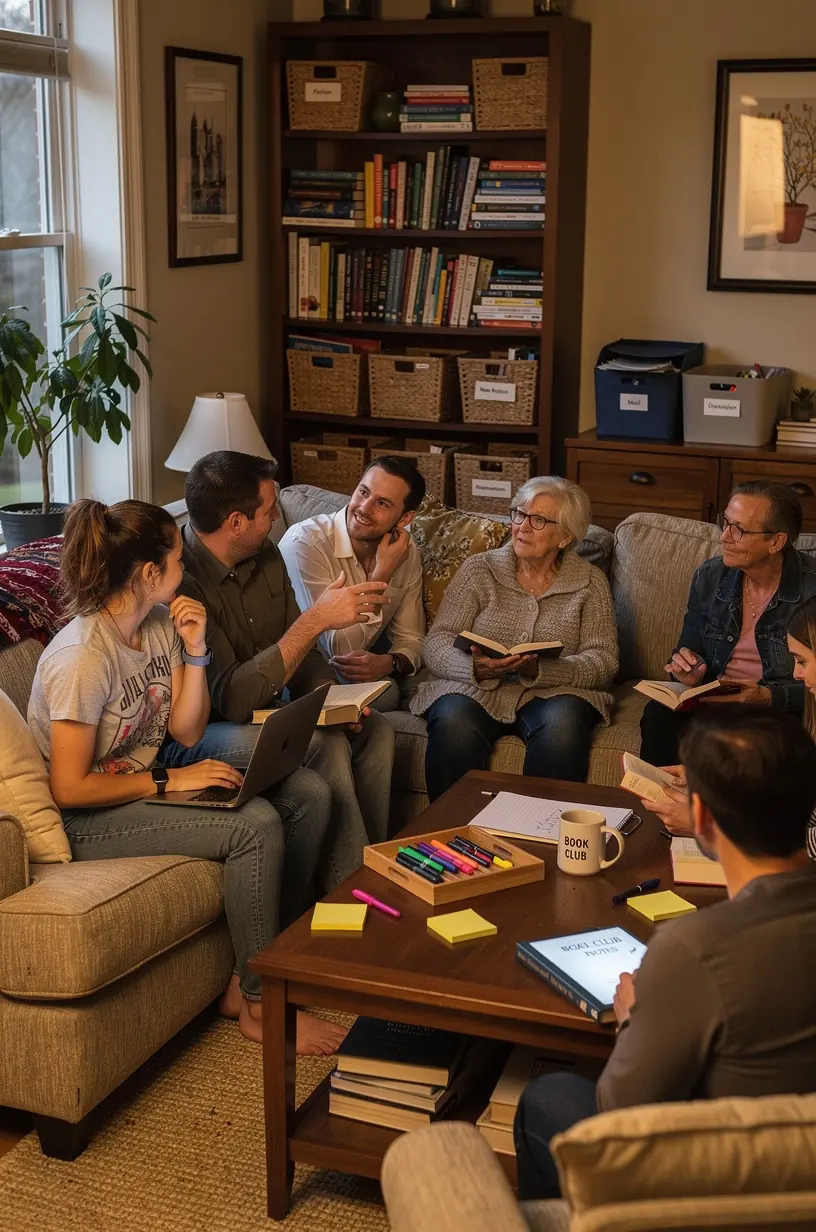
Practical Tips for Creating a Welcoming Environment
Creating a welcoming environment is essential for home comfort clubs that thrive on community engagement. This guide provides practical tips, backed by research and expert recommendations, to help you foster a space that encourages interaction and participation.
Understanding the Value of a Welcoming Environment
According to studies in the field of social psychology, environments that promote comfort and openness can significantly enhance group dynamics and interactions. When individuals feel welcomed, they are more likely to participate actively, share their thoughts, and contribute to discussions. This phenomenon is often referred to as the “comfort principle”, which suggests that a welcoming atmosphere can lead to improved relationships and community bonding.

"A friendly atmosphere is not just about aesthetics; it’s fundamental to fostering connections and collaboration among members." - Social Psychology Research
Essential Tips for Creating a Welcoming Space
- Personalize the Space: Incorporate elements that reflect the interests and backgrounds of your members. Research indicates that personalization can enhance feelings of belonging and acceptance.
- Encourage Open Communication: Create an environment where members feel comfortable sharing their thoughts. Experts recommend implementing regular feedback sessions, which can help identify areas for improvement in group dynamics.
- Organize Inclusive Events: Host gatherings that cater to diverse preferences and schedules. According to industry best practices, regularly scheduled events can help build anticipation and commitment among members.
Implementing Thoughtful Design Choices
Thoughtful design choices can significantly impact the overall atmosphere of your space. Here are some considerations:
- Use Comfortable Seating: Studies show that comfortable seating can enhance interaction and reduce barriers to communication. Aim for arrangements that promote face-to-face interaction, which often fosters deeper conversations.
- Incorporate Natural Elements: Research indicates that spaces with natural lighting and plants can reduce stress and boost satisfaction. Consider adding greenery and ensuring your space is well-lit to create a more inviting environment.
- Create Activity Zones: Designate areas for different activities such as discussions, workshops, and relaxation. This can help members feel more at ease and encourage participation in various formats. Many users report that having distinct spaces fosters a sense of purpose and engagement.
Acknowledging the Effort Required
Creating a welcoming environment typically requires ongoing effort and commitment. It’s important to recognize that:
- These changes often take time to implement effectively. Expect to see noticeable improvements over a period of several months as members adapt to the new environment.
- It may require dedicated planning sessions and feedback collection to understand how to best meet the needs of your group.
- Not every strategy will work for every group; be prepared to adjust your approach based on member feedback and experiences.
Conclusion
In summary, creating a welcoming environment is a multifaceted process that involves understanding the needs of your community, implementing thoughtful design choices, and fostering open communication. By focusing on these practical tips, you can help ensure that your home comfort club remains a space where all members feel valued and engaged. Remember, the goal is to build a supportive atmosphere that encourages active participation and nurtures lasting relationships.
Learn More