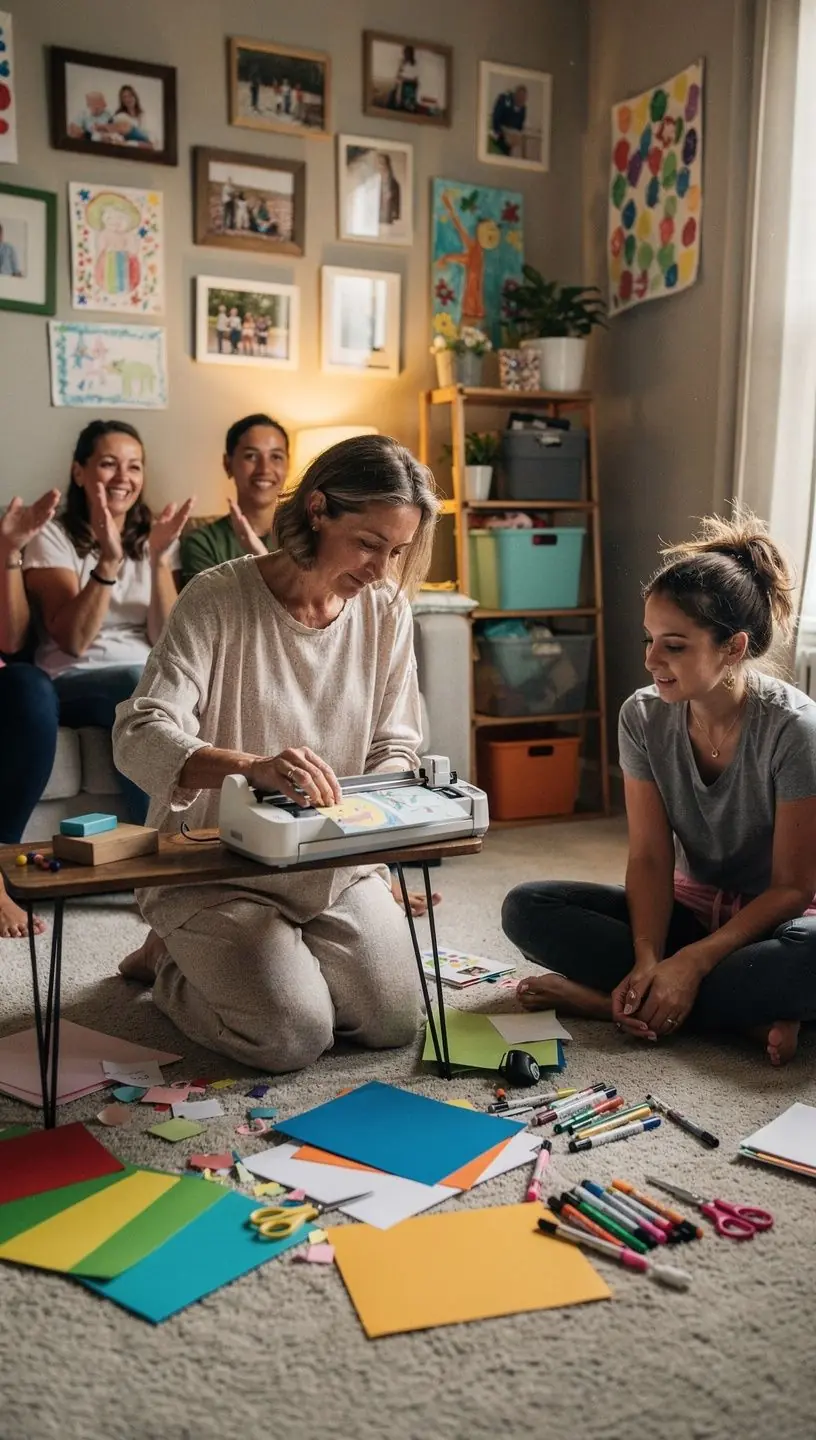
Creating a Resource List for Home Organization Workshops
Home organization workshops can be a valuable resource for individuals looking to enhance their living spaces. This article will guide you through creating a comprehensive resource list to ensure your workshops are practical, engaging, and beneficial.
Understanding the Value of Home Organization
Home organization is not just about aesthetics; it fundamentally influences productivity and mental well-being. According to research, organizing living spaces can lead to a 20-30% increase in productivity as it reduces clutter-induced distractions. Experts recommend fostering a clutter-free environment to promote clarity and focus in daily tasks.
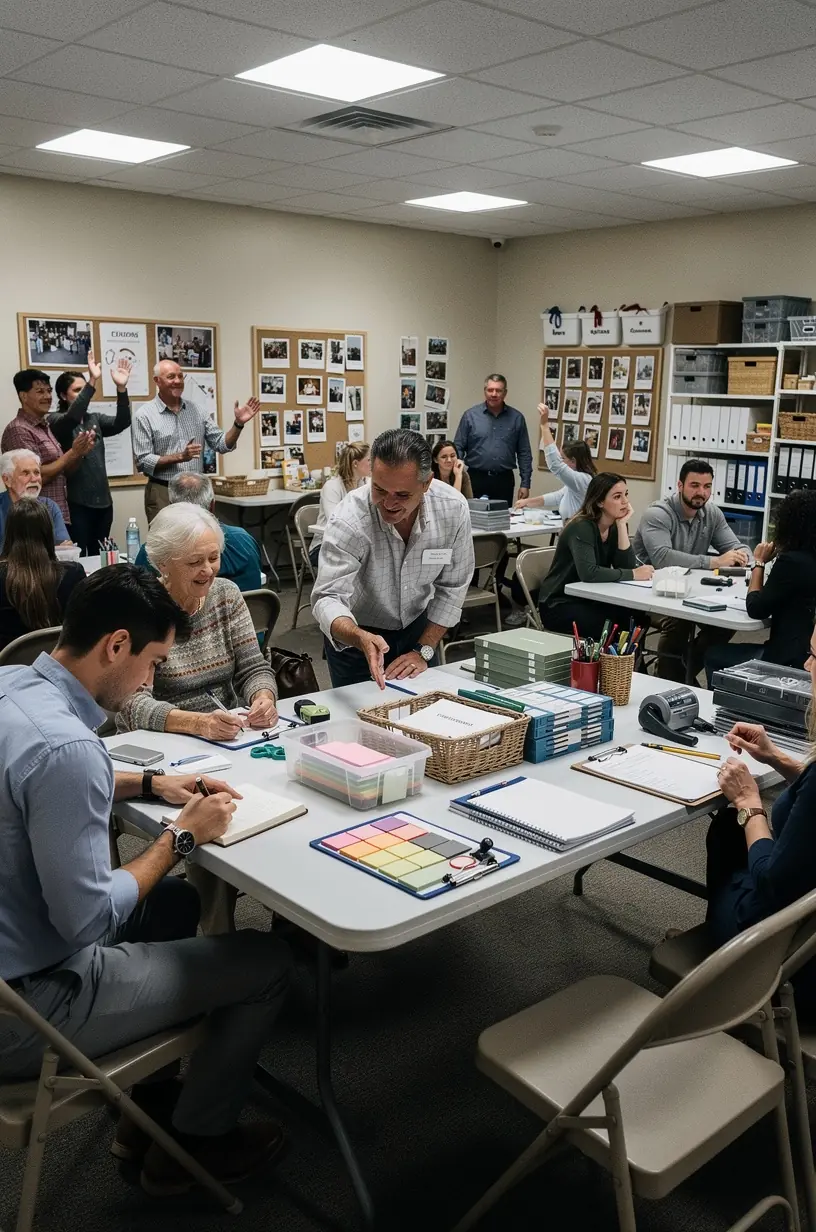
"A well-organized home can significantly improve one's quality of life, making daily activities more enjoyable and less stressful."
Key Components of a Resource List
Creating a resource list for your home organization workshop involves understanding the various needs of your participants. Below are some essential components to include:
- Books & Guides: Include popular titles on organization techniques. For instance, Marie Kondo's "The Life-Changing Magic of Tidying Up" is often recommended for its effective decluttering methods.
- Online Resources: Websites such as Apartment Therapy and Unclutterer offer practical tips and inspiration. Many users report finding these platforms helpful in maintaining organized spaces.
- Tools & Supplies: Recommend specific tools, such as storage bins, labels, and organizers that can aid in the organization process. It’s essential to explain how these items can streamline the organization task.
Practical Tips for Organization Workshops
When planning your workshops, consider the following practical steps to enhance learning and engagement:
- Interactive Sessions: Incorporate hands-on activities where participants can practice sorting and decluttering. Studies indicate that experiential learning often leads to better retention of skills.
- Guest Speakers: Invite experts in home organization who can share their knowledge and experiences. This allows participants to gain insights from professionals in the field.
- Follow-Up Resources: Provide participants with a handout summarizing the workshop, along with the resource list for future reference. A well-crafted follow-up can significantly enhance the learning experience.
Acknowledging Limitations
While home organization workshops can be beneficial, it is important to set realistic expectations. Achieving a fully organized home typically takes time and effort. Participants should be prepared for a commitment that may involve:
- Ongoing practice and application of strategies learned, which may take several weeks.
- A learning curve associated with implementing new organizational systems.
- Adjustments to personalize strategies based on individual lifestyles and needs.
Conclusion
Creating a resource list for home organization workshops is an effective way to equip participants with the tools they need to succeed. By incorporating educational materials, practical applications, and clear expectations, you can foster an environment that encourages growth and organization. Remember, the journey to an organized home is gradual, but with dedication and the right resources, participants can achieve their goals over time.
Learn More